
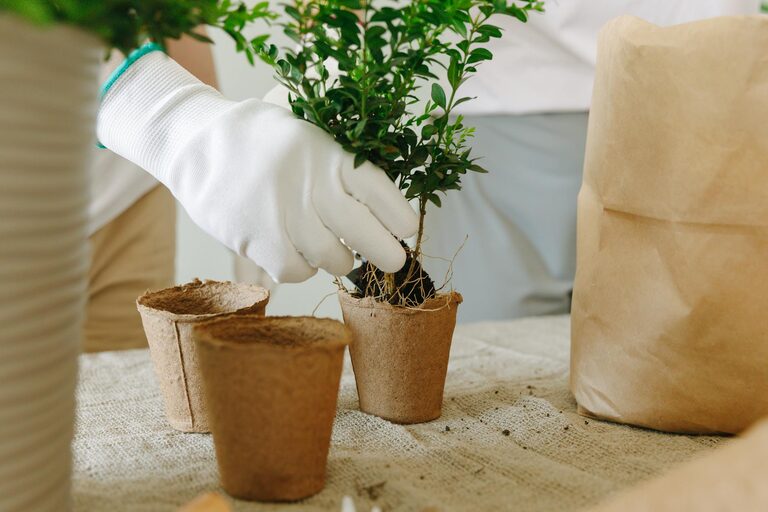
Creating a sustainable home garden that flourishes throughout the year is both rewarding and environmentally friendly. It allows you to enjoy fresh, homegrown produce, reduce your carbon footprint, and connect with nature. Whether you have a sprawling backyard or a small balcony, these tips will help you build a garden that is productive, low-maintenance, and kind to the planet.
Why Choose a Sustainable Garden?
Sustainability in gardening means growing plants using methods that preserve resources, promote biodiversity, and reduce waste. By adopting sustainable practices, you not only care for your garden but also help protect the environment. This approach includes conserving water, using natural fertilizers, and selecting plants suited to your local climate.
Plan Your Garden for Year-Round Growth
Understand Your Climate Zone
Knowing your local climate zone is essential to choose plants that will thrive year-round. Different regions have varying frost dates, rainfall patterns, and temperatures. Use online tools or local extension services to identify your zone and plan your planting schedule accordingly.
Choose Seasonal and Native Plants
Selecting plants that naturally grow in your area reduces the need for extra watering and protection. Native plants are adapted to local conditions, helping your garden be resilient and sustainable. Rotate crops and include a mix of vegetables, herbs, and flowers for biodiversity.
Design for Multiple Harvests
To keep your garden productive across seasons, use succession planting—staggering your planting dates so new crops mature as others are harvested. Incorporate cool-season vegetables like kale, spinach, and carrots for fall and winter, and warm-season varieties like tomatoes and peppers for spring and summer.
Use Sustainable Gardening Practices
Compost to Enrich Your Soil
Composting kitchen scraps and garden waste reduces landfill and provides rich, natural fertilizer. Healthy soil improves plant growth and reduces the need for chemical fertilizers.
Mulch to Retain Moisture and Suppress Weeds
Apply organic mulch such as wood chips, straw, or leaves around plants. Mulch helps conserve water, prevent weed growth, and improve soil health.
Conserve Water Wisely
Water your plants early in the morning or late in the evening to minimize evaporation. Use drip irrigation or soaker hoses to deliver water directly to roots efficiently. Collect rainwater using barrels to supplement irrigation without increasing utility bills.
Avoid Harmful Chemicals
Opt for natural pest control methods such as companion planting, introducing beneficial insects, and manual removal of pests. Avoid synthetic pesticides and herbicides that can harm the ecosystem.
Extend Your Growing Season
Use Cold Frames and Greenhouses
Cold frames and greenhouses create a warmer microclimate that protects plants during colder months. A simple cold frame can be made with old windows or plastic covers, extending your garden’s productivity.
Grow Indoors or in Containers
For colder climates or limited space, indoor gardening or container planting is a great option. Use grow lights or position plants near sunny windows to keep herbs and smaller vegetables growing year-round.
Practice Crop Rotation and Cover Cropping
Crop rotation helps maintain soil fertility and prevent disease buildup. Cover crops like clover or rye planted during the off-season add nutrients and protect the soil from erosion.
Maintain Your Garden Mindfully
Regularly Monitor Plant Health
Check your plants for signs of pests or disease and address issues early. Healthy plants are more productive and require fewer resources.
Prune and Harvest Properly
Pruning encourages growth and airflow, reducing disease risk. Harvest crops promptly when ripe to encourage continuous production.
Keep a Garden Journal
Recording planting dates, weather conditions, successes, and challenges helps improve your gardening over time. It’s a valuable tool for planning future seasons.
Benefits of a Sustainable Year-Round Garden
A garden designed with sustainability and seasonal planning in mind offers many rewards:
– Fresh, nutritious food available throughout the year
– Reduced environmental impact and resource conservation
– Enhanced biodiversity and support for pollinators
– Personal satisfaction and outdoor enjoyment
With patience and care, a sustainable home garden becomes a source of beauty, nourishment, and ecological stewardship all year long.
—
By following these tips, you can create a thriving, environmentally friendly garden that supports your family’s health and the planet. Happy gardening!