Creating a home office that is both cozy and productive can transform your work-from-home experience. Whether you spend a few hours a day or full-time working remotely, having a dedicated and inviting workspace helps maintain focus, reduce stress, and increase efficiency. In this post, we’ll explore practical tips to design a home office that feels welcoming and supports your daily tasks.
Why a Cozy and Productive Home Office Matters
Many people find it challenging to balance comfort with functionality when setting up a home office. A space that’s too casual might encourage distractions, while one that’s too sterile may make long hours uncomfortable. Ideally, a home office should encourage concentration while also feeling pleasant enough to inspire creativity and motivation.
Choosing the Right Location
Find a Quiet Spot
Select a location in your home that is quiet and has minimal foot traffic. Avoid areas near the TV or kitchen if possible, as these tend to be high-activity zones. A room with a door can help block noise and create a boundary between work and home life.
Consider Natural Light
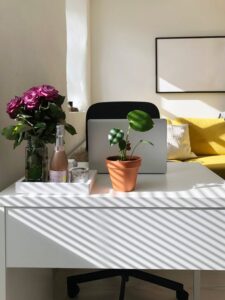
Good lighting is essential. Try to position your desk near a window for natural light, which can boost mood and reduce eye strain. However, be mindful of glare on your computer screen. If natural light is limited, invest in quality lighting like adjustable desk lamps or soft overhead lights.
Invest in Comfortable and Functional Furniture
Prioritize Ergonomics
Choose an ergonomic chair with adjustable height, lumbar support, and comfortable padding. Sitting correctly can prevent back and neck pain, supporting your health for long working sessions.
Get the Right Desk
Your desk should have enough surface area for your computer, notes, and other essentials without feeling cluttered. Consider height-adjustable desks if you want the option to alternate between sitting and standing.
Organize Your Space Efficiently
Declutter Regularly
Keep your workspace tidy by regularly removing unnecessary items. A clutter-free desk helps clear your mind and reduces distractions.
Use Storage Solutions
Shelves, drawers, or desk organizers can keep supplies in order. Label storage containers or folders for easy access to paperwork and tools.
Personalize Your Workspace
Add Comfortable Accessories
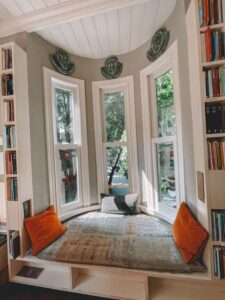
Include elements like a soft rug, cozy throw blanket, or cushions for added warmth. These small touches make the space feel inviting.
Incorporate Plants
Houseplants not only beautify your office but can also improve air quality and reduce stress.
Display Inspiring Items
Photos, artwork, or motivational quotes can boost your mood and creativity. Choose items that encourage positivity without cluttering your desk.
Optimize Technology and Tools
Ensure Reliable Equipment
Invest in a good-quality computer, fast internet connection, and necessary peripherals like a printer or additional monitor if needed.
Minimize Cords and Distractions
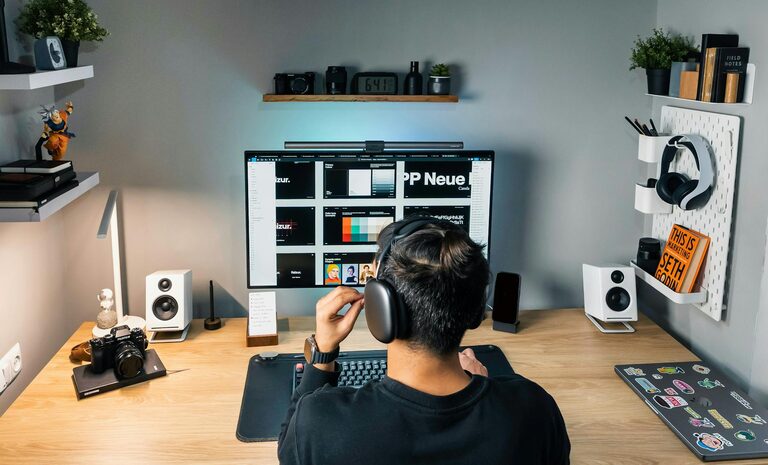
Use cable management tools to keep wires neat. Turn off non-essential notifications to maintain your focus.
Establish a Healthy Routine
Set Boundaries
Designate specific work hours to help separate professional tasks from home life. Communicate these boundaries with household members.
Take Breaks
Move around regularly to prevent stiffness, rest your eyes, and refresh your mind. A brief walk or stretching can boost productivity.
Create a Pre-Work Ritual
Starting your day with a simple routine—such as a cup of tea or organizing your desk—can help signal your brain to shift into work mode.
Maintain Good Air Quality and Temperature
A comfortable temperature and fresh air contribute to concentration and comfort. Use a fan, air purifier, or open windows when possible.
Final Thoughts
Designing a cozy and productive home office is all about balance. By combining comfortable furniture, smart organization, personal touches, and good routines, you can create a space that supports your work goals and feels like a welcoming environment. Experiment with different setups and adjust as your needs change to maintain a workspace that works best for you.