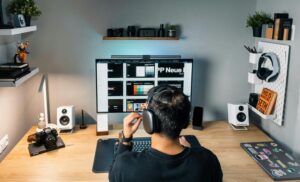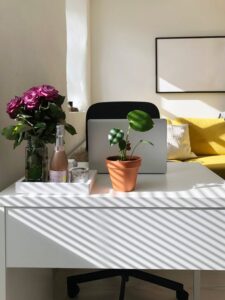
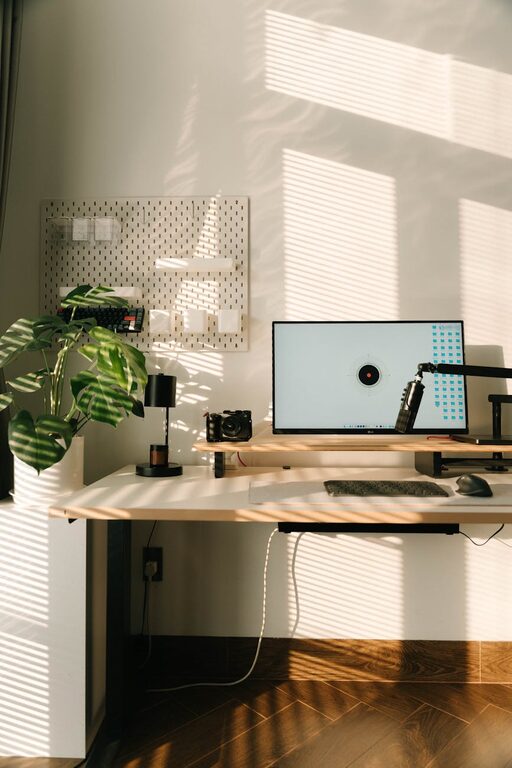
Creating a cozy and inviting home office space can transform your workday, making it more enjoyable and productive. Whether you have a dedicated room or a small corner, designing your workspace to be both functional and comfortable is key. Here are some practical tips to help you build a home office that feels like a retreat and motivates you to get things done.
Choose the Right Location
Finding the ideal spot in your home is the first step. Look for a place with good natural lighting if possible, as sunlight can boost your mood and energy levels. A quiet area away from distractions is preferable to help you focus better.
If you don’t have an extra room, consider using a corner in your living room or bedroom. Use room dividers, shelves, or curtains to separate your workspace from the rest of the room visually. This separation helps create a mental boundary between work and home life.
Invest in Comfortable Furniture
Your office chair and desk are the foundations of a comfortable workspace. Choose an ergonomic chair that supports your back and encourages good posture. Adjustable chairs are a great option, allowing you to change height and angle for better comfort during long hours.
The desk should offer enough surface area for your computer, notebooks, and essential tools without feeling cluttered. If space is tight, a compact desk with built-in storage can keep things organized. Standing desks or sit-stand converters are also excellent options to vary your working position, which can reduce strain.
Personalize Your Workspace
Adding personal touches can make your office feel more inviting and uniquely yours. Display photos of loved ones, favorite art prints, or inspiring quotes. Choose colors that you find calming or energizing — soft blues and greens promote calmness, while vibrant colors like yellow or orange can boost creativity.
Plants are a wonderful accessory for a home office. They bring life to the space, improve air quality, and have been shown to reduce stress. Choose low-maintenance plants like succulents or pothos if you don’t have much time to care for them.
Optimize Lighting
Good lighting can reduce eye strain and create a warm atmosphere. Position your desk near a window to maximize natural light. For cloudy days or work that extends into the evening, invest in quality artificial lighting.
A combination of ambient, task, and accent lighting works best. Use an adjustable desk lamp to focus light where you need it most. Warm light bulbs tend to create a cozy feel, while cooler bulbs can help with alertness.
Keep It Organized
Clutter can disrupt your focus and make your office less inviting. Use storage solutions like shelves, filing cabinets, or baskets to keep papers and supplies tidy. Labeling drawers and containers helps you find what you need quickly.
Cable management tools can prevent cords from tangling and create a cleaner look. Regularly declutter your desk and digital workspace to keep everything running smoothly.
Control Noise Levels
Depending on your environment, noise can be a distraction or even stressful. Consider soundproofing options like rugs, curtains, or acoustic panels that absorb sound. Noise-canceling headphones can be a helpful investment, especially if you share your home with other family members.
Alternatively, some people work better with background noise. If that’s you, using a white noise machine or playing instrumental music can help maintain focus.
Add Comfort and Relaxation Elements
Creating a space where you feel comfortable encourages longer and more efficient work sessions. Include a soft throw blanket, comfortable cushions, or a small footrest to enhance your physical comfort.
If your space allows, add a lounge chair or a small sofa where you can take breaks. Briefly stepping away from your desk can improve mental clarity and reduce fatigue.
Create a Routine-Friendly Layout
Arrange your workspace to support your daily routine. Place frequently used items within easy reach to avoid unnecessary movement. Create distinct zones if space permits—for example, a main desk area for computer work and a separate spot for reading or brainstorming.
Designing your office with a logical flow can save you time and energy throughout the day.
Maintain a Healthy Atmosphere
Consider air quality and temperature control. A small fan, air purifier, or humidifier can contribute to a comfortable environment. Keep the room ventilated to avoid stuffiness.
Taking care of your physical environment plays a big role in how productive and comfortable you feel.
—
By following these tips, you can create a home office space that is not only functional but also cozy and welcoming. The goal is to build a workspace that supports your productivity while feeling like a place you look forward to spending time in. With thoughtful design and a few personal touches, your home office can become your favorite room in the house.