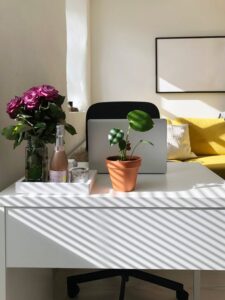

Creating an organized home office can make a big difference in your productivity and overall work experience. When your workspace is tidy, well-planned, and free of distractions, it’s easier to focus on tasks and maintain motivation throughout the day. Whether you work remotely full-time or occasionally need a quiet spot to complete projects, these simple tips will help you set up an efficient and inviting home office.
Why Organizing Your Home Office Matters
An organized workspace can enhance your focus by minimizing distractions and reducing stress. When you know exactly where to find your supplies or documents, you waste less time searching and more time working. Plus, a clutter-free environment often encourages clearer thinking and creativity.
Start with Decluttering
Before adding new organizing tools or rearranging furniture, begin by decluttering your current space.
– Clear your desk: Remove everything from your desk surface and only put back the items you need daily, like your computer, a notepad, and a favorite pen.
– Sort paperwork: Separate important documents from outdated papers. Recycle or shred what you don’t need, and file important papers in labeled folders or a filing cabinet.
– Get rid of unused items: If you have office supplies, gadgets, or books that you haven’t used in months, consider donating, recycling, or storing them elsewhere.
Designate Zones for Different Activities
If your home office space allows, create zones for specific types of work to improve organization and efficiency.
– Work zone: This is your main desk area where you handle daily tasks with your computer, phone, and essential supplies.
– Reference zone: Set up shelves or cabinets to store books, manuals, or documents you refer to often.
– Secondary zone: Create a space for brainstorming, drawing, or other activities requiring extra room, such as a whiteboard or a pinboard.
Use Smart Storage Solutions
Proper storage helps keep everything in its place and your workspace neat.
– Desk organizers: Use trays, pen holders, or small containers on your desk to contain essentials.
– Shelving units: Vertical storage frees up desk space and keeps items easily accessible.
– Drawer dividers: These keep small items like paper clips, sticky notes, and cables neat and prevent them from getting lost.
– Label everything: Labels make it easy to find what you need without opening every drawer or box.
Optimize Your Desk Setup
Creating an ergonomic and organized desk setup improves comfort and keeps your workspace functional.
– Place your computer screen at eye level: This reduces neck strain and helps maintain good posture.
– Keep cables tidy: Use cable clips or a cable management box to prevent tangling.
– Good lighting: Natural light is ideal, but a quality desk lamp with adjustable brightness can help reduce eye strain.
– Minimal items on your desktop: Limit desk items to frequently used tools to avoid distraction.
Implement a Daily Cleanup Routine
Make organizing a habit with a short daily cleanup.
– Take 5 minutes to tidy: Before ending your workday, clear your desk, file loose papers, and prepare your workspace for the next day.
– Digitize when possible: Scan documents and keep digital copies to reduce paper clutter.
Personalize Your Space Wisely
A few personal touches can boost your mood and motivation without cluttering your desk.
– Add one or two decorative items: A small plant, a photo frame, or artwork can make the space feel inviting.
– Choose a consistent color scheme: Soothing or motivating colors can influence your productivity positively, but keep it simple to avoid overwhelming the space.
Use Technology for Organization
Technology can simplify organizing and managing tasks in your home office.
– Task management apps: Tools like Trello, Todoist, or Microsoft To Do can help you stay on track with projects.
– Cloud storage: Services like Google Drive or Dropbox keep important files organized and accessible from anywhere.
– Calendar management: Maintain appointments and deadlines with apps like Google Calendar.
Adjust and Improve Over Time
Your ideal workspace will evolve as your work habits change.
– Review your setup regularly: Every few months, assess what’s working and what isn’t. Make adjustments to improve flow and comfort.
– Stay flexible: If tasks or needs shift, don’t hesitate to rearrange or invest in new organization tools.
—
By applying these straightforward tips, you can transform your home office into a well-organized, productive environment. Remember, an inviting and efficient space not only helps you work better but can also make your workday more enjoyable. Start small, stay consistent, and watch your productivity grow!